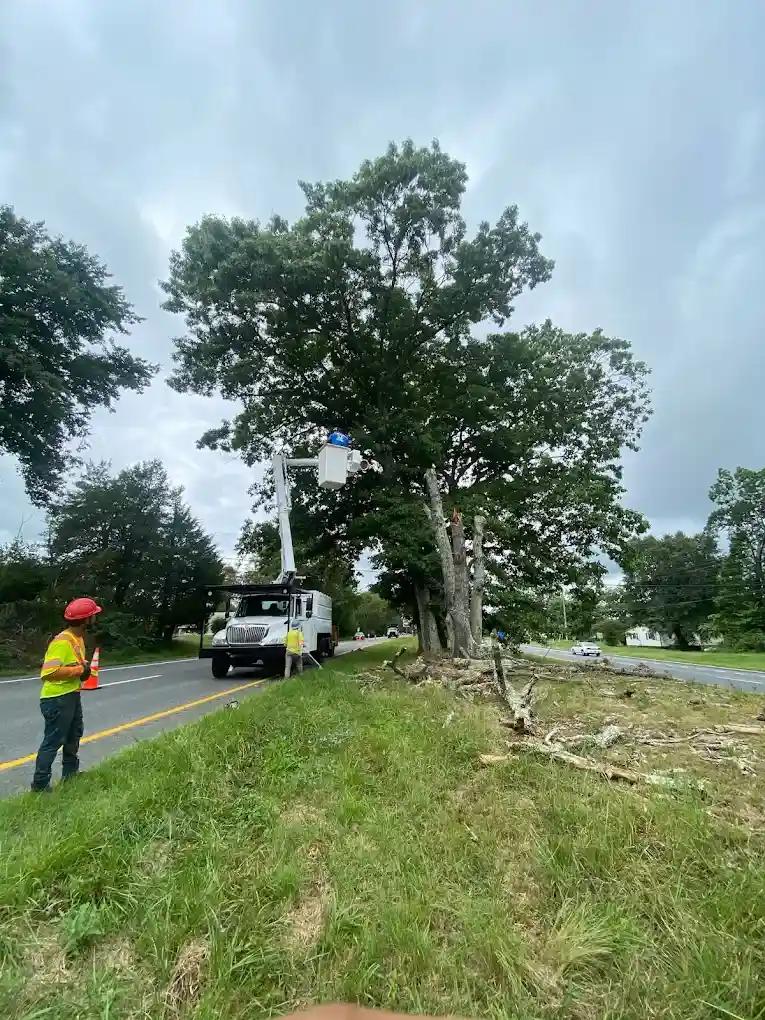
Hazardous Tree Warning Signs Every NC Homeowner Should Know
As a homeowner in North Carolina, being aware of hazardous tree warning signs is essential for maintaining safety. This guide covers crucial signs to look for to protect your property.
Antonio Smith
V&VA Tree Services · Certified Arborist
Introduction
As a homeowner in North Carolina, protecting your property is paramount, especially when it comes to your trees. Hazardous tree warning signs, if left unchecked, could lead to severe consequences — from property damage to personal injury. In this article, you’ll discover the essential signs that indicate your trees may pose a risk, allowing you time to act and protect your home and loved ones.
Understanding these signs can save you from a costly tree removal service or worse, damage to your property and safety. We’ll cover what to look for and when to seek help from a certified arborist.
By the end, you’ll know how to identify hazardous trees and the next steps to take. Let's dive in!
Table of Contents
- Common Signs of Tree Hazards
- Signs of Tree Root Problems
- Tree Disease Indicators
- Impact of Weather on Tree Health
- Professional Help: When to Call an Arborist
- Routine Tree Care and Maintenance
Common Signs of Tree Hazards
As a homeowner, recognizing hazardous tree warning signs can empower you to take action before hazards arise. Here are several critical indicators to look for to avoid costly consequences.
Leaning Trees
A tree that leans significantly may indicate instability. Look for:
- An unusual tilt towards your home or another structure.
- Cracked roots on the side of the lean.
- Soil erosion on one side of the tree.
Dead or Dying Branches
Dead branches can fall at any moment, posing risks to your family and property. Examine your trees for:
- Large sections that show no new growth.
- Branches that are dry and brittle.
- Leaves that shrivel or fall prematurely.
Cracked Bark or Trunk
Cracks in the bark or trunk can signify internal decay or disease. Signs to note include:
- Deep fissures that run vertically or horizontally.
- Soft or mushy areas of the trunk.
- Fungal growth at the base, indicating rot.
Identifying these signs early and assessing a tree’s health can determine if you need immediate professional assistance.
Signs of Tree Root Problems
The health of your trees is strongly linked to their roots. Understanding signs of root problems can safeguard your property from falling trees. Here are key indicators:
Exposed Roots
Roots that are exposed above ground can signal instability and stress. Look for:
- Sudden visibility of roots due to soil erosion.
- Damage from construction or landscaping nearby.
- Roots that are cracked or damaged.
Root Rot
Root rot is often caused by excessive moisture and decay. Signs include:
- Mushy or soft roots when examined.
- Poor growth in trees that were once vigorous.
- Fungal growth around the base of the tree.
If you suspect root problems, consult with a licensed arborist who can diagnose the situation and recommend treatment or removal.
Tree Disease Indicators
Tree diseases can compromise the structural integrity of your trees. Here are some common signs to watch for:
Discolored Leaves
Leaves that are brown, yellow, or withered can indicate distress. Indicators include:
- Unseasonal leaf drop.
- Leaves that appear scarred or have spots.
- Bushy growth and dieback of certain branches.
Fungal Infections
Fungi can infect trees and could be detrimental. Signs consist of:
- White or black fungal growth on the bark.
- Sudden wilting or drooping of water-sufficient trees.
- Tree cankers – sunken and discolored areas on the trunk.
Awareness of these signs can help you address tree care promptly, maintaining your landscape’s safety and aesthetics.
Impact of Weather on Tree Health
Weather plays a significant role in the health of your trees. Severe conditions can often reveal underlying issues. Important considerations include:
Storm Damage
Storms can cause immediate hazards that could lead to tree failure. Post-storm, check for:
- Broken branches that are precariously hanging.
- Trees that are leaning due to wind impact.
- Damage from lightning strikes, which is often immediately visible.
Seasonal Considerations
Be mindful of seasonal changes that impact tree health:
- Heavy snow or ice can weigh down branches beyond their limits.
- Prolonged drought can stress trees and lead to cracking roots.
- Excessive rainfall can saturate soil, leading to root rot.
Taking the necessary precautions and conducting regular checks can prevent potential hazards during seasonal changes.
Professional Help: When to Call an Arborist
Knowing when to reach out to a professional can make all the difference. Here are scenarios when you should contact a tree care expert:
Unexpected Changes
If you notice any sudden changes in your tree's health or structure, do not hesitate to call a certified arborist. These are professionals trained to assess:
- Sudden leaf drop or discoloration.
- Peculiar growth patterns or dying branches.
- Leaning or falling trees after storms.
Health Assessments
Regular health assessments are a crucial part of tree care. A licensed arborist can:
- Provide a detailed inspection of your trees.
- Recommend treatment for diseases or pests.
- Advise on tree removals if necessary, ensuring safety.
Being proactive and working with a professional can mitigate risks and extend the life of your trees.
Routine Tree Care and Maintenance
Preventive care is vital in maintaining healthy trees. Here are a few routine maintenance practices:
Regular Inspections
Conducting inspections can reveal early signs of trouble. Tips for effective inspections include:
- Examine the overall appearance regularly.
- Look for any of the warning signs mentioned earlier.
- Document visible changes for future reference.
Pruning and Trimming
Proper pruning enhances tree health and aesthetics. Consider these tips:
- Remove dead or dying branches before they become hazards.
- Trim trees to maintain proper structure, especially during the dormant season.
- Ensure your trees have adequate airflow to minimize disease risks.
Regular maintenance not only addresses potential hazards but also promotes vibrant growth in your trees.
Conclusion and Close
Understanding hazardous tree warning signs is crucial for every homeowner in North Carolina. By recognizing these indicators early on, you can take proactive steps to protect your property and ensure the safety of your family. Remember, tree care is a specialized task best left to professionals when in doubt. Relying on certified experts ensures you receive the best advice and solutions.
Call to Action
If you found this article helpful, please leave a comment below or read more about our tree removal or stump grinding services. You can also contact V&VA Tree Services for a FREE estimate! Serving Charlotte NC and nearby areas like Concord, Huntersville, Matthews, Mint Hill, and Mooresville, we are always here to assist you with professional tree care needs.
Comments
Leave a Comment
No comments yet. Be the first to comment!
Get a Free Estimate
Charlotte NC & Surrounding Areas